Water Heater Repair Tips Based on Leak and Corrosion Checks
@emilianolvfs245
A water heater usually gets ignored until it forces its way onto the day’s schedule. A damp floor, a rusty connection, a faint drip that becomes a steady tap, these small signs often show up before a bigger failure. When people talk about water heater repair, they often jump straight to replacement or assume every issue is urgent. In practice, the first useful step is simpler and more disciplined: check for leaks, check for corrosion, and decide whether the problem belongs in a homeowner’s observation log or in the hands of a licensed professional.
That distinction matters even more in Hawaii. Plumbing work is regulated by the state, and the rules are not loose suggestions. The state’s Department of Commerce and Consumer Affairs regulates plumbing licensing, and consumers can verify a plumber’s license status, expiration date, and disciplinary history through official license search tools. The same state guidance also makes clear that electrical and plumbing contractors must employ licensed electricians and plumbers to perform the actual work. For larger jobs, and for any project that needs a plumbing permit, hiring properly licensed help is not optional. In Honolulu, permitted plumbing and drainage work is inspected for code compliance, and local permitting guidance says all plumbing work must be performed by contractors licensed by the State of Hawaii.
That may sound procedural, but it shapes smart repair decisions. A careful visual check around the water heater can save time, reduce water waste, and help you explain the issue clearly when you call a plumber Honolulu residents can trust. It can also help you recognize when the right answer is not a do-it-yourself fix, but a call to a plumber Oahu property owners use for compliant work.
What leaks and corrosion actually tell you
A leak is not just a leak. It tells you something about where water is escaping, how long the problem may have been developing, and how fast conditions could worsen. Corrosion is similar. It is not merely cosmetic when it appears on or around plumbing components. It can point to wear, moisture exposure, or a connection that deserves closer attention.
The Environmental Protection Agency’s WaterSense guidance recommends regularly inspecting water heaters for leaks, loose connections, corrosion, and other issues. That is a practical baseline because these are visible, observable conditions. You do not need to guess at the internal state of the unit to notice moisture on the floor, staining near a fitting, or rust-colored buildup around a connection. Those clues can help narrow the problem before a repair appointment is even scheduled.
In real service situations, the hardest part is often not spotting a major failure. It is noticing the early warning signs before they become expensive. A tiny drip can be easy to dismiss if the water heater sits in a garage or utility area that nobody checks often. Corrosion can be mistaken for “old but normal” until a connection begins leaking. By the time water damage spreads beyond the heater area, a repair that might have been straightforward becomes a larger property issue.
Start with a disciplined visual inspection
A good inspection is not dramatic. It is a slow look at the heater and the area around it, with attention to anything that appears wet, discolored, or deteriorated. The goal is observation, not disassembly.
Use this short check as a practical starting point:
- Look at the floor and the base area for standing water, dampness, or staining.
- Check visible connections for drips, moisture, or looseness.
- Look for corrosion on exposed parts and around fittings.
- Note any signs that the condition is getting worse, such as increased moisture or spreading discoloration.
- If you use a leak-detection or flow-monitoring device, review what it has recorded.
That last point deserves more attention than it usually gets. The EPA notes that leak-detection and flow-monitoring devices can help consumers reduce water waste. For a water heater issue, that matters because a slow leak may not be obvious at every moment. A device that alerts you to unusual water use or leak conditions can catch a problem before it turns into a major cleanup.
Loose connections are easy to overlook
When homeowners describe a leaking water heater, they often picture a failed tank. Sometimes the problem is visible at a connection instead. The EPA specifically includes loose connections in its recommended inspection points, which is useful because people tend to focus only on the tank body and forget the surrounding plumbing.
A connection issue can still be serious. If moisture is collecting near a fitting, if a drip is forming consistently, or if corrosion is concentrated around a specific joint, that is enough reason to stop guessing and make a service call. This is where a licensed plumber near me search becomes more than a convenience phrase. You want a contractor who can legally perform the plumbing work, evaluate whether a permit is required, and complete the repair in a way that will pass inspection if the job falls into permitted territory.
For Hawaii property owners, that means checking credentials before authorizing work. The state provides official tools for verifying a plumber’s license status, expiration date, and disciplinary history. That is not just useful for major remodels. It is equally relevant when a water heater issue grows from “maybe just a leak” into a repair that affects permanent plumbing systems.
Corrosion is not a cosmetic detail
Corrosion tends to get ignored because it often develops slowly. A little rust-colored residue or a roughened surface can look harmless, especially on an older installation. But corrosion belongs on the short list of red flags because it can signal a problem that has been building for some time.
What makes corrosion tricky is that it may appear before an active leak is obvious. You may not see water on the floor yet, but you might see visible deterioration around a fitting or connection. The practical value of checking for corrosion is that it helps identify locations that deserve professional evaluation before failure is obvious.
In the field, this is where judgment matters. Not every sign of age means immediate replacement, and not every visible spot means the same level of risk. At the same time, waiting for certainty can be costly. If corrosion is visible and you cannot confidently tell whether it is isolated or part of a larger problem, that is the moment to involve a licensed plumber rather than monitor it indefinitely.
When a simple check becomes a repair call
Homeowners often ask when they should stop observing and start scheduling service. The answer is earlier than many expect. A water heater does not need to be pouring water into the room to justify a professional visit. The combination of leak signs, loose connections, and corrosion is already enough to move the situation out of the casual watch-and-wait category.
These are the moments when calling a professional makes sense:
- You find active dripping or repeated dampness around the heater.
- Corrosion is visible on or around accessible plumbing components.
- A connection appears loose or moisture is collecting near it.
- A leak-detection device flags ongoing water use that does not match normal activity.
- The repair may involve permitted plumbing work or costs that put it into contractor territory.
That fifth point matters in Hawaii because the state advises hiring a licensed contractor for projects over $1,500 in labor and materials, or for any project requiring a building, electrical, or plumbing permit. If a water heater problem is moving beyond a minor adjustment and into formal repair work, the licensing and permit side should be handled correctly from the start.
Why licensing matters more than people think
A water heater sits at the intersection of everyday convenience and regulated building systems. That is why trying to save money with unlicensed work can become expensive very quickly. In Hawaii, the state guidance is direct: electrical and plumbing contractors must employ licensed electricians and plumbers to perform the actual work. Honolulu’s permitting guidance reinforces that all electrical and plumbing work must be performed by contractors licensed by the State of Hawaii.
For homeowners, this has a practical effect. If you are comparing bids, asking a neighbor for a referral, or searching terms like plumber Honolulu or plumber Oahu, license verification should be part of your normal screening process. It is not paperwork for its own sake. It is how you confirm that the person touching your plumbing system is legally qualified to do so.
There is also a maintenance angle that often gets overlooked. Hawaii currently requires licensed plumbers on active status to show proof of continuing competency in the 2021 Uniform Plumbing Code for the present licensing period. That requirement matters because it reflects ongoing professional accountability. A plumber who is maintaining active status is not operating in a vacuum. They are tied to a regulated system with standards, renewals, and oversight.
Contractor licensing has its own renewal schedule as well. State contractor licenses renew on a defined cycle, which is another reminder that consumers should verify current status rather than assume an old business card or truck logo tells the whole story. When people search for an emergency plumber, especially under pressure from a leak, they sometimes skip these checks. That is understandable, but it is still risky.
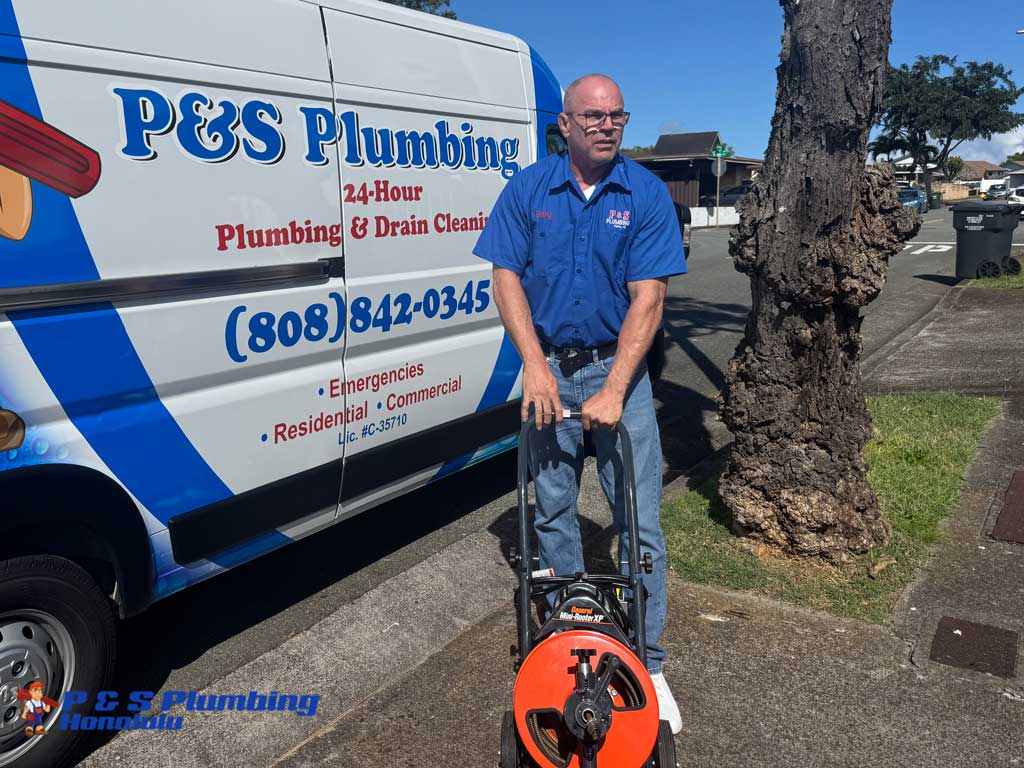

Honolulu property owners should expect permits and inspections when required
Not every water heater issue leads to permitted work, but many repair situations raise that possibility quickly. If a project requires a plumbing permit, Honolulu’s code framework requires inspection for compliance. The city’s permitting FAQs also note that permit valuation includes plumbing and other permanent work when calculating fees.
This matters because some owners hesitate when they hear the word permit, assuming it only adds delay and cost. In reality, permitted work creates a record and a compliance path. For a water heater repair involving permanent plumbing changes, that can protect the homeowner, the property manager, or the commercial owner from future disputes about whether the installation was performed correctly.
A homeowner may be tempted to think, “It’s only one repair.” But plumbing systems do not exist in isolation. Water heater work can affect surrounding pipes, drainage conditions, and fixture performance. In a commercial setting, where downtime can disrupt tenants, customers, or staff, that interconnectedness matters even more. A commercial plumber is often brought in not because the leak itself looks different, but because the consequences of getting it wrong are much larger.
Water waste is one of the hidden costs
People understandably focus on visible damage, warped baseboards, stained concrete, wet drywall. But one of the quieter costs of a water heater leak is wasted water. That is why the EPA’s recommendation on leak-detection and flow-monitoring devices is so practical. These devices can help consumers reduce water waste, and they are especially useful when a leak is small, intermittent, or hidden by location.
A heater tucked into a utility closet may leak for longer than one in a high-traffic garage simply because nobody sees it every day. In those cases, an alert from a detection system can become the first sign that something is wrong. It does not replace a plumber’s diagnosis, but it can shorten the time between failure and response.
That time window matters in Hawaii, where service availability can vary and emergency scheduling may not always be immediate. Calling an emergency plumber is easier when you already know the basic facts: where the moisture appears, whether corrosion is visible, whether the issue seems to involve a connection, and whether monitoring has shown unusual water use. A clearer description often leads to a more efficient first visit.
How this connects with the rest of the plumbing system
A water heater issue rarely lives in complete isolation from the rest of a property’s plumbing concerns. In residential and commercial service work, customers often discover one issue while investigating another. A homeowner may search for leak detection help because of unexplained moisture, then realize the water heater area is the source. A building manager may call for drain cleaning or even ask about sewer line repair, only to find that a separate water heater leak has been contributing to visible water where it should not be.
That does not mean every wet floor near a utility area points to the heater, and it does not mean every plumbing problem is related. It does mean that careful observation matters. If the water heater shows active leaking, loose connections, or corrosion, it deserves direct attention even if other plumbing work is already underway. Bundling issues into one service visit can be efficient, but only if the contractor is properly licensed for the scope involved.
The homeowner’s role is observation, documentation, and smart escalation
One of the most useful habits I have seen from experienced property owners is simple documentation. They do not try to perform regulated plumbing work themselves. Instead, they notice patterns. They record when the leak appeared, where it shows up, whether corrosion seems to be spreading, and whether a leak-detection device has triggered multiple alerts. That information helps a licensed plumber arrive with context rather than starting from zero.
This approach also prevents two common mistakes. The first is minimization, where a small drip gets rationalized away for weeks. The second is improvisation, where someone starts attempting repairs that belong to a licensed tradesperson. In Hawaii, once the work enters the realm of actual plumbing repair, the legal and practical path is clear. Licensed professionals should perform that work, and permit requirements should be followed.
There is a broader trust issue here too. Consumers searching for a plumber near me often face a crowded market and a flood of advertising claims. The cleanest way to cut through that noise is to verify the license, confirm the contractor’s standing, and make sure the work scope matches the professional’s credentials. That is as relevant for water heater repair as it is for larger plumbing projects.

A practical mindset for avoiding a bigger failure
The best repair tip is not a single trick or product. It is a mindset: look early, look carefully, and take visible warning signs seriously. Leaks, loose connections, and corrosion are not abstract maintenance concepts. They are observable indicators that tell you when a water heater deserves attention.
If you own or manage property in Honolulu or elsewhere on Oahu, a sensible response has three parts. Check the unit regularly for the visible conditions the EPA highlights. Use leak-detection or flow-monitoring tools if they fit your property and budget. When signs point to a real repair issue, bring in a licensed professional and verify credentials through the https://judahsbvd264.keystonescope.com/posts/emergency-plumber-selection-tips-based-on-hawaii-licensing-rules state’s official system.
That process is not flashy, but it works. It reduces wasted water, improves communication with the service provider, and keeps the repair on the right side of Hawaii’s licensing and permitting rules. Whether the call goes to a residential plumber, a commercial plumber, or an emergency plumber, the goal stays the same: catch the problem while it is still manageable, before a minor leak or a patch of corrosion turns into a much larger repair.